
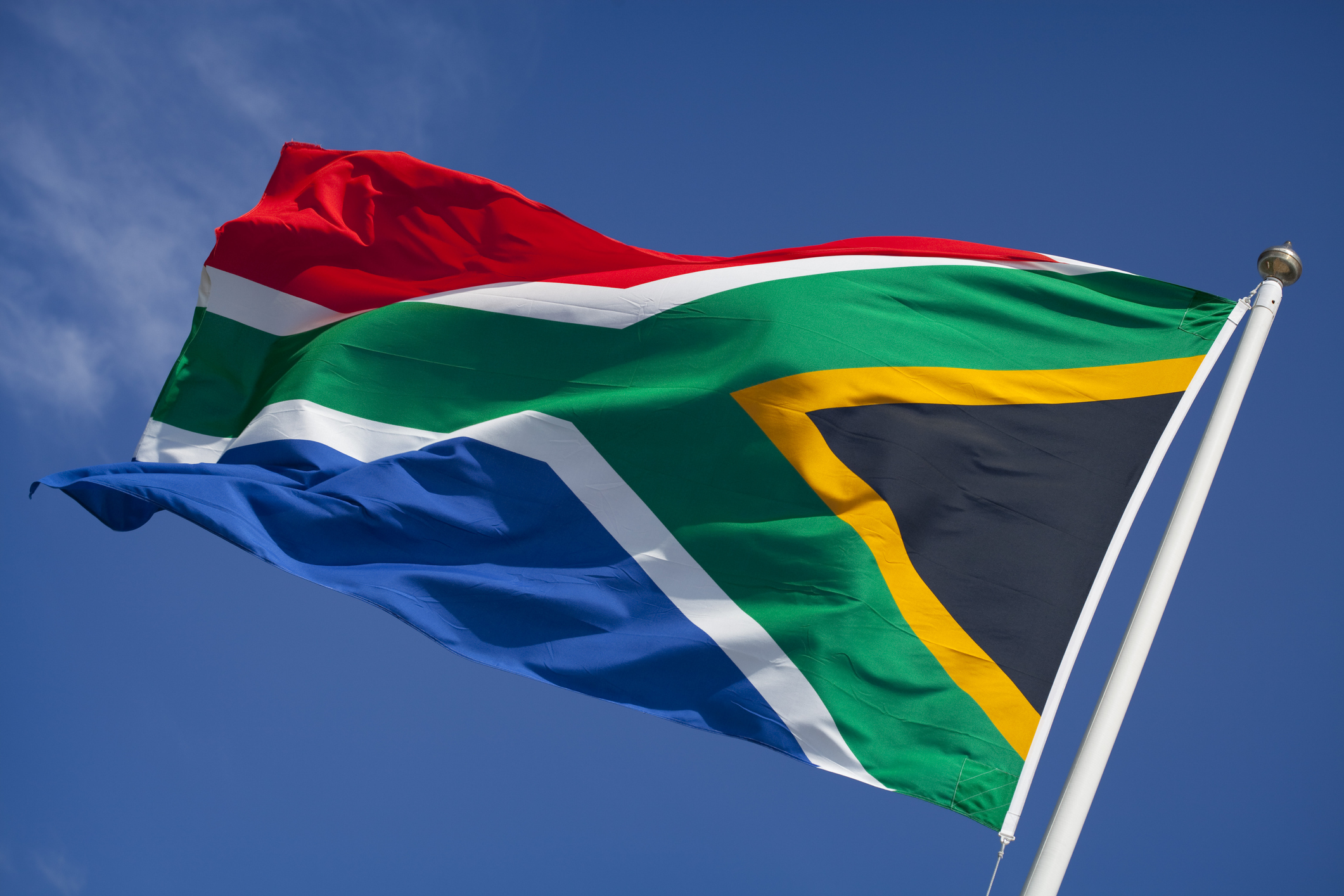
South Africa has a complex tax system, with a wide variety of taxes levied on individuals, businesses, and goods and services. Understanding the different types of taxes can be helpful for both residents and non-residents alike.
South Africa’s tax-to-GDP ratio is one of the highest in Africa, at around 27% in 2021. This ratio is a measure of the total amount of tax revenue collected by the government as a percentage of the country’s gross domestic product (GDP). While this ratio is high, it is important to note that South Africa also has a relatively high level of inequality, which means that the tax burden is not evenly distributed across all income groups.
This article provides a comprehensive overview of the major types of taxes in South Africa.
1. Capital gains tax (CGT)
CGT isn’t an independent tax, but rather an arm of your income tax. It applies when you sell an asset (after October 1st, 2001) for more than you originally paid for it. This difference, the “capital gain,” is then taxed alongside your regular income.
2. Corporate Income Tax (CIT)
This tax applies to companies residing in South Africa, meaning those incorporated under its laws or effectively managed there, regardless of where their income originates. If you’re a non-resident operating through a branch or permanent establishment, CIT targets your South African-sourced income.
This tax applies to various company types liable under the Income Tax Act, 1962, including:
- Public companies (“Ltd”)
- Private companies (”Pty (Ltd)”)
- State owned companies (“SOC”)
- Personal Liability Company (“Inc”)
- Non profit company
- Close Corporations (“CC”)
- Co-operatives
- Collective Investment Schemes
- Small Business Corporation (s12E)
- Body Corporates
- Share Block Companies
- Dormant Companies
- Public Benefit Companies.
3. Value-added tax (VAT)
VAT acts as an indirect tax levied on the consumption of goods and services. To collect this revenue, the government requires specific businesses (vendors) operating within the economy to register for VAT.
Once registered, vendors must typically charge VAT on all taxable supplies they provide, such as goods and services. The current standard rate is 15%, but certain supplies have a zero rate (0%) or are exempt altogether.
However, vendors can recoup the VAT they pay on their purchases (input tax), as long as those purchases relate to making taxable supplies. In specific situations, vendors might even claim a refund on VAT paid to unregistered businesses.
The key characteristic of VAT is its non-cumulative nature. This means vendors can deduct the input tax they’ve paid from the output tax they collect. Essentially, they only pay the difference to the government, or receive a refund if the input tax exceeds the output tax.
4. Pay-As-You-Earn (PAYE):
PAYE (Pay As You Earn) acts as a pre-payment system for income tax, requiring employers to deduct specific amounts from their employees’ salaries before payment. This ensures consistent tax contributions throughout the year and avoids large lump sums at tax filing time.
Any employer registered or required to register with the South African Revenue Service (SARS) for PAYE or Skills Development Levy (SDL) must also register for Unemployment Insurance Fund (UIF) contributions.
They are liable to deduct and remit PAYE and UIF contributions within 7 days of the month’s end.
If the payment deadline falls on a weekend or public holiday, payment must be made on the preceding business day.
Benefits
- This system distributes tax collection evenly throughout the year, benefiting both employees and the government.
- Employees avoid large tax bills at filing time.
- The government receives consistent tax revenue flow.
5. Withholding Tax on Interest (WTI):
Introduced in 2015, WTI stands for Withholding Tax on Interest. It’s a 15% tax levied on interest earned by foreign individuals and entities on South African investments. The tax liability rests with the foreign recipient, but the paying entity (payor) is responsible for withholding and remitting it to the South African Revenue Service (SARS).
Exemptions:
There are three main categories of exemptions from WTI:
1. Payor-based:
- Government entities: Interest paid by national, provincial, or local South African government bodies is exempt.
- Financial institutions: Certain financial institutions like banks, the SARB, and development corporations are exempt.
- Headquarter companies: Interest paid by a headquarter company directly or indirectly holding 10% equity and voting rights in a subsidiary is exempt.
2. Instrument-based:
- Listed debt: Interest on bonds listed on the Johannesburg Stock Exchange (JSE) is exempt.
- Securities services: Interest earned by foreign clients of regulated securities service providers acting as agents is exempt under specific conditions.
3. Foreign recipient-based:
- Individuals: Foreign individuals physically present in South Africa for more than 183 days in the preceding year are exempt.
- Permanent establishments: Foreign entities with a registered permanent establishment in South Africa are exempt from interest related to their activities.
Note:
For exemptions based on the payor and instrument, completing the WTID form before payment is not required. However, foreign recipients claiming exemptions based on their presence or permanent establishment must submit the WTID form to the payor.
6. Withholding Tax on Royalties (WTR)
WTR applies to any payment made to a foreign person for:
- Using intellectual property (IP) in South Africa (e.g., patents, trademarks)
- Accessing the right to use such IP
- Receiving scientific, technical, industrial, or commercial knowledge or information
- Obtaining assistance or services related to applying or using that knowledge
While the foreign recipient ultimately bears the tax burden, the South African withholding agent (the entity making the payment) is responsible for deducting and remitting the tax to the South African Revenue Service (SARS).
WTR is applied at a flat rate of 15% on the gross royalty amount.
Exemptions:
The following exemptions may apply, to the foreign person, before paying the royalty to the foreign person:
- The foreign person is a natural person who was physically present in the Republic for a period of more than 183 days in total during the twelve-month period before the date on which the royalty is paid.
- The property in respect of which the royalty is paid is effectively connected to a permanent establishment of that foreign person in the Republic, and that foreign person is registered as a taxpayer in terms of the Act.
7. Excise Duties
Excise duties and levies are government-imposed taxes primarily on two categories of goods:
- High-volume daily consumables: These include items like petroleum, alcohol, tobacco, and even electronic equipment and cosmetics.
- Non-essential or luxury items: This category covers goods deemed less essential for daily life, aimed at curbing their consumption.
These taxes serve two main purposes:
- Revenue generation: Excise duties and levies contribute significantly to government finances, accounting for roughly 10% of South African Revenue Service (SARS) revenue.
- Discouraging harmful consumption: Specific levies target products considered harmful to health or the environment, like sugary beverages and plastic bags, to discourage their use.
Who pays them?
- Manufacturers: The responsibility to pay these taxes falls on the shoulders of manufacturers, throughout the Southern African Customs Union (SACU) region which includes South Africa, Botswana, Lesotho, Namibia, and Swaziland.
- Consumers: Ultimately, the cost of these taxes is passed on to consumers through higher product prices.
Specific categories in South Africa:
Ad Valorem Products: Taxed based on their value (e.g., alcohol, tobacco).
Excise Levies/Tax: Imposed on specific products, potentially varying between SACU member states. In South Africa, this applies to:
- Air travel
- Diamond exports
- Environmental concerns: Carbon tax, plastic bags, tires, etc.
- Transportation: Fuel levy, Road Accident Fund levy.
- Health: Sugary beverage levy.
- International obligations: Oil pollution compensation levy.
8. Personal Income Tax (PIT)
PIT is the primary tax levied on individuals in South Africa, calculated based on your taxable income. This refers to the portion of your total income subject to taxation after deducting allowable expenses and allowances.
What counts as taxable income?
Here are some common examples of income that contribute to your taxable income:
- Remuneration: This includes salaries, wages, bonuses, overtime pay, taxable fringe benefits, allowances, and certain lump-sum benefits received from employment.
- Business or trade income: Profits or losses generated from running a business or engaging in trade activities.
- Trust beneficiary income: Income or profits you receive as a beneficiary of a trust.
- Director’s fees: Remuneration you receive for serving as a director of a company.
- Investment income: Interest earned on investments, foreign dividends received, and rental income (after deducting allowable expenses).
- Royalties: Income earned from licensing intellectual property like patents or copyrights.
- Annuities: Regular payments received from an annuity contract.
- Pension income: Retirement income received from an occupational or personal pension plan.
- Certain capital gains: Profits realized from selling capital assets like stocks or property (subject to specific exemptions and taxation rules).
Broad-Based Black Economic Empowerment (BEE)
Broad-based Black Economic Empowerment (BEE) stands as a cornerstone policy in South Africa’s journey towards a more equitable and inclusive economy. It aims to address the historical and ongoing racial disparities in economic opportunities and participation within the country.
The South African Constitution enshrines the right to equality for all citizens. However, this formal equality often fails to translate into equal opportunities and outcomes due to the legacy of apartheid and its discriminatory policies. Black South Africans, despite constituting the majority population, continue to face significant economic disadvantages compared to other groups.
BEE seeks to bridge this gap between formal and substantive equality. It does so through a multi-pronged approach that encourages and incentivizes the inclusion of Black people in various aspects of the economy, including:
- Ownership: Increasing Black ownership of businesses and assets.
- Management: Promoting Black representation in leadership and decision-making positions.
- Skills development: Investing in education and training to equip Black South Africans with the necessary skills to compete effectively.
- Procurement: Encouraging businesses to source goods and services from Black-owned suppliers.
BEE remains a complex and evolving policy landscape. While it has achieved some successes in advancing Black economic participation, challenges persist. Critics argue that the policy can be cumbersome and bureaucratic and that it risks creating a system of entitlement rather than genuine empowerment.


One thought on “Types of Taxes in South Africa”